Ensuring Elderly Safety: The Role of Monitoring Devices
Posted March 20, 2024 by Cove


Understanding Granny Cameras
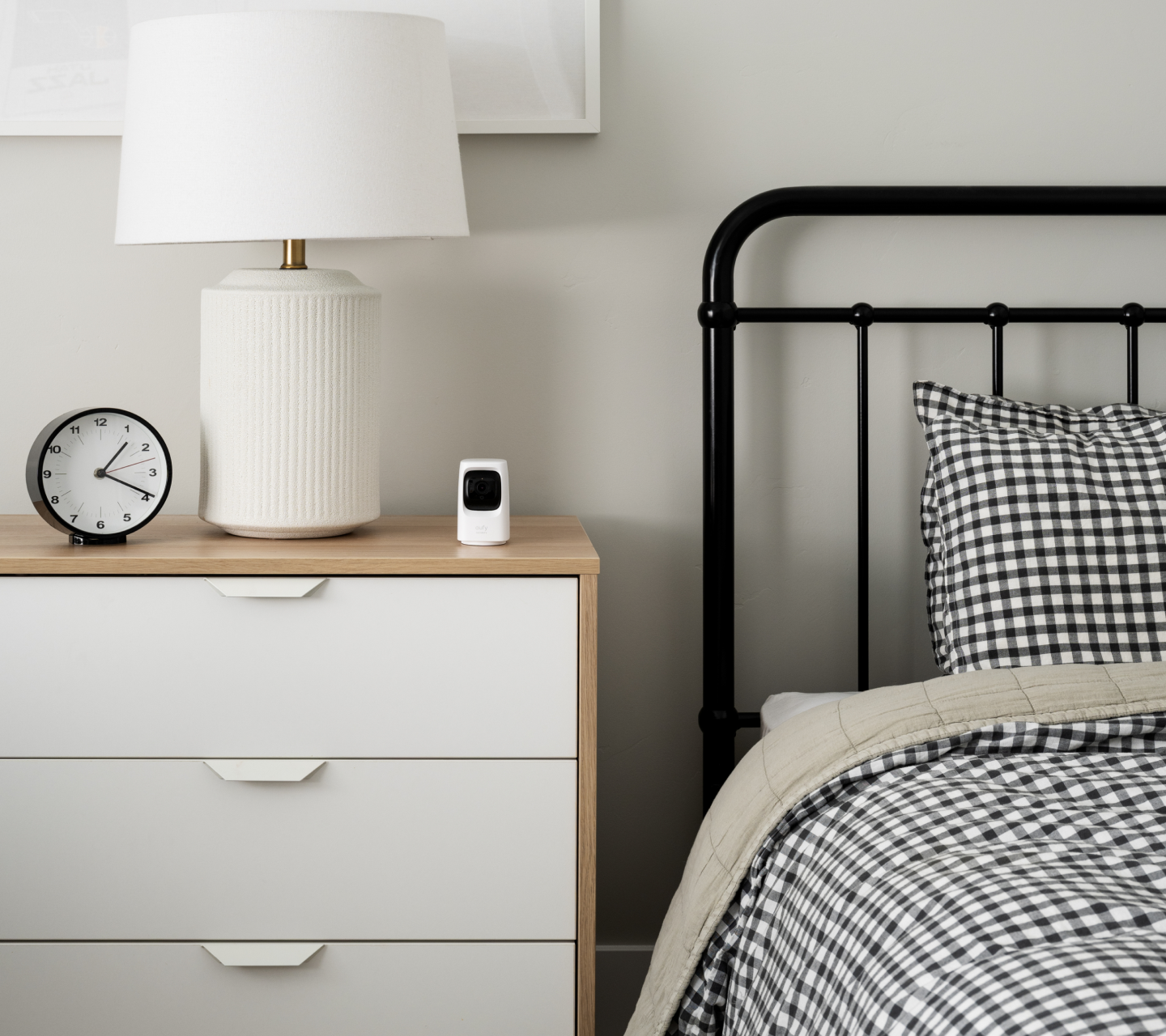
Granny cameras, colloquially known as monitoring devices, serve as vigilant guardians in nursing homes, elderly care facilities, and even private residences. These cameras are not merely surveillance tools, but essential instruments in safeguarding the elderly against potential abuse or neglect.
Typically installed by concerned family members, granny cameras discreetly observe the interactions between caregivers and their elderly clients. They come in various forms and are strategically positioned within the living space.
Despite their crucial role in ensuring elderly safety, some facilities may oppose their use, citing ethical concerns. However, with proper consent, families can navigate these challenges and proceed with installation, prioritizing the well-being of their elderly relatives.
The Importance of Granny Cameras
The prevalence of elder abuse in nursing homes and care facilities underscores the critical need for monitoring devices. Shocking statistics reveal that approximately one in ten elderly individuals experience abuse annually, with over five million cases reported in nursing homes alone. Sadly, many instances go unreported, perpetuating a cycle of silence and suffering.
Abuse manifests in various forms, including physical, emotional, and financial exploitation, highlighting the multifaceted nature of the issue. Granny cameras serve as silent witnesses, capturing instances of mistreatment and providing irrefutable evidence for legal action. By empowering families with the means to monitor their loved ones' care, these devices offer a proactive approach to addressing elder abuse and promoting accountability within care settings.

Who Should Consider Installation?
While not every elder requires constant monitoring, those residing in nursing homes or receiving in-home care are particularly vulnerable to abuse. Signs of abuse, such as unexplained injuries, changes in behavior, or neglect of basic needs, should prompt families to consider installing granny cameras.
However, initiating discussions with the elderly individual is crucial, emphasizing the camera's role in ensuring their safety and dignity. Respecting their autonomy and preferences, such as audio recording permissions, fosters a sense of agency in the decision-making process.
Also, supplementing monitoring devices with medical alert systems further enhances elderly protection, offering immediate assistance in emergencies.
Legal Considerations and Available Resources
In states such as Illinois, Louisiana, and Washington, legislation permits the use of granny cameras in care facilities, providing families with legal recourse against abuse. However, navigating the installation process requires adherence to facility regulations and transparency with staff and roommates.
For those grappling with suspicions of elder abuse, resources abound online, including the Nursing Home Abuse Center and the Nursing Home Abuse Guide. These platforms offer invaluable insights, legal guidance, and access to reputable lawyers specializing in elder abuse cases.
Ready to get started?
Take this short quiz to build your customized system today!
Take the QuizTakes less than a minute