A Humidity and Temperature Monitoring System and its Uses


Protecting Life and Property With A Humidity and Temperature Monitoring System
The feeling of creeping cold is unmistakable. Winter’s chill can make life uncomfortable and force you to crank up the thermostat. Your environment's relative humidity or wind chill doesn’t matter, either. When the digits fall below zero, spending anytime outdoors can feel painful and makes you wish you had access to an electric heating jacket and gloves.
But what if the worst happens? What if the heat doesn’t turn on in your home when it should? Perhaps you have an elderly family member that lives alone, and their independence in a chilly environment becomes a concern. Even belongings such as electronics, appliances, and delicate objects can be affected by humidity and low temperatures, especially if stored in particularly freezing locations such as a shed, a garage, a storage room, or a camper. Whether inside or outside, you need an alarm that can warn you of extreme temperatures and help you know how to take corrective actions.
No matter where you live, drastic changes in the weather can happen at unexpected times. You might remember the polar vortex that swept down from the Arctic in early 2019, freezing areas that almost never see temperatures below thirty-two degrees Fahrenheit. Unfortunately, some places experienced worse than just snow. Some examples of terrible cold weather from this event include:
- The Chicago Tribune reported on recorded temperatures in Illinois in March 2019, and the lows were staggering: -38° F in Mount Carroll. Remarkable satellite images of Chicago were taken by the European Space Embassy show the ice sheets that formed on Lake Michigan.
- Ice breaker ships are a common sight on the lake, but their age and the strength of the ice floes has made breaking difficult.
- Ronald Reagan Washington National Airport in Washington D.C. recorded a wind chill of -10° F on January 31st, stopping all flights to and from the airport.
- On the same day, temperatures in Iowa descended to an incredible -58° F with wind chill, causing schools to close and even claiming the life of one student from the University of Iowa.
- In Milwaukee, Michigan, record temperatures hit -50° F, claiming the lives of three people, all of which were older men trying to clear their sidewalks and driveways of snow and ice.
- Toronto received thirteen inches of snow on the 28th (a record amount for the city) before dipping down to a low of -36° F with wind chill on the 31st.
So before crazy cold weather can descend on your home, find out what temperature monitoring devices can do to alert you before damage is done.

How Do They Work?
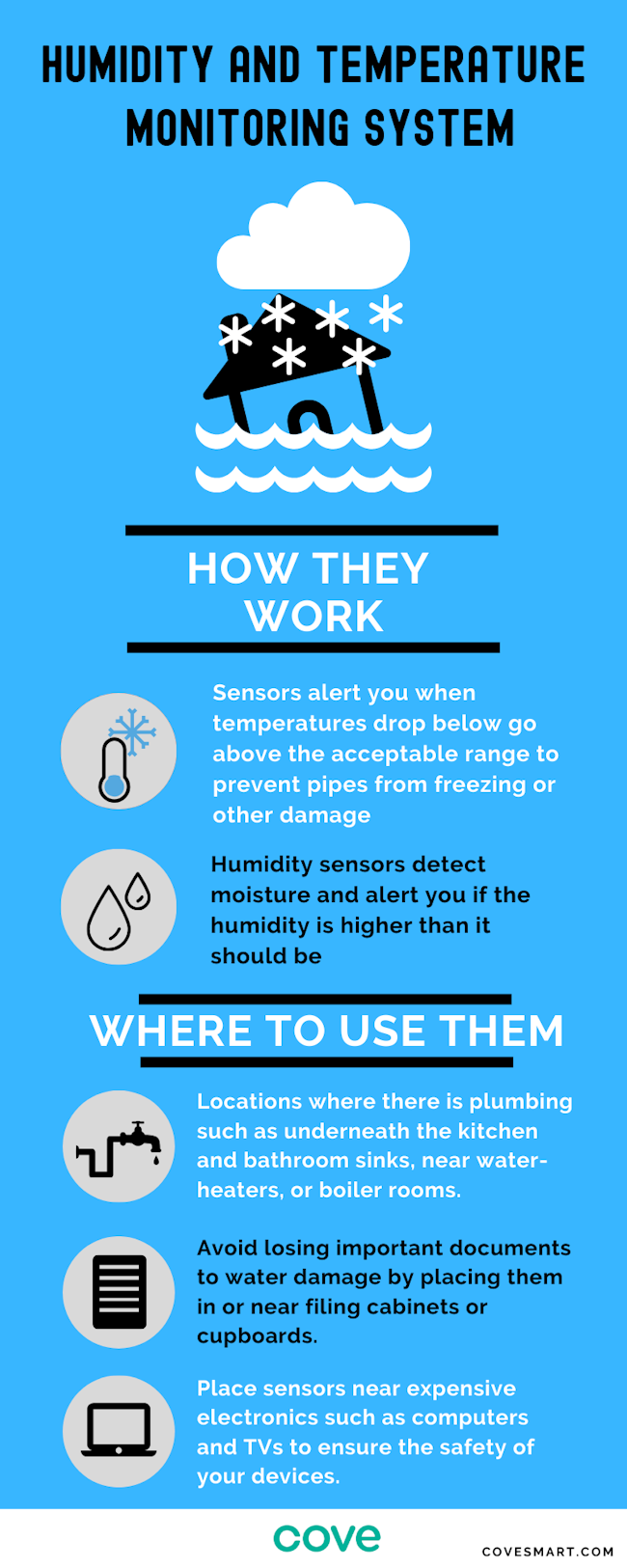
If you have a thermostat in your home for heating and cooling, you may already be familiar with the function of a temperature monitor. Installed as either a wireless or hardwired system, your device typically connects to physical hardware called sensor contacts. Based on the limits programmed into the device (minimums of temperature, maximums of humidity), when the specific range is reached, the monitor will alert you. Devices can vary, but a range of -40° F to 160° F is typical. Installed with batteries instead of being dependent on your home’s electricity, they can function on their own and even alert you when the batteries are nearly drained.
Let’s say you don’t want your home’s pipes to freeze. With functions like soil and liquid temperature detection, when the temperature falls to a certain degree, the system can shut off portions of your indoor or outdoor water supply. This will save you the headache of fixing burst pipes and the flooding that follows.
Another function of a monitor is for humidity. Technology in high humidity evnironments can be damaged by the moisture. Fortunately, many systems have the ability to track temperature and humidity at the same time. Once the monitor senses that the ambient humidity of the room has risen or fallen to the set parameters, the monitor will alert you in a few different ways depending on the type of device installed. Wireless systems can include sensors placed in hard-to-reach areas to make sure no drafts or moisture affect your belongings from any angle.

Choosing the Right Low Temperature Alarm for Your Needs
Temperature sensors may seem fairly straightforward, but there exists a wide range of features your device can include.
First, there’s no need to worry about your system being completely isolated. Most sensors can alert you not just with a high-volume alarm, but by calling you or texting your phone (or multiple phone numbers), emailing you when changes occur, or even contact an outside monitoring service. It can also alert you before your device’s batteries lose charge. If your device offers a connection through a smartphone app, you can get real-time data on temperature changes which may give you a better idea of when and how to make changes. This can take the form of tracking information and graphs of day-to-day trends to help you plan the right heating requirements and help you save money on your gas bill.
Home systems include connections to Cloud services. Your system may come with a data logger for precise information, enabling you to keep track of your home, garage, or storage room from anywhere in the world. This may also enable you to make changes right from your smartphone, such as changing temperature or humidity limits. These systems allow you to export the information to your personal computer in case you need to report your findings to a monitoring company. You can access this information through wifi wherever you go.
There are many effective low temp alarms on the market today. For a handheld digital device that requires no additional hardware or software, consider the temperature alarm from Thomas Scientific. Armed with a probe sensitive to minute changes in temperature, this temperature alarm can alert you if you discover any pockets of cold air that need adjustment. The alarm also comes with a Velcro backing to mount on a wall for constant monitoring.
This may require more of a technical background to use but, temperature sensors from Stoneridge can be placed almost anywhere and can detect differences in temperature in both wet and dry environments. There are sensors that can measure temperature below -40° F, but only in extreme environments will you ever need anything more expensive.
Special Uses for Temperature Monitoring Systems
Since wireless sensors can be placed almost anywhere, there are many ways you can utilize them in unique ways to keep things safe. For instance:

1. If you own a trailer or camper, you can place two or three temperature sensors inside to help you keep track of extremes. Most campers include tanks that can be filled with water for use in sinks and showers. But, obviously, you don’t want your camper’s tank or pipes to burst in the middle of winter. A temperature monitoring system can help you make the decision whether or not to fill the tanks.
Described in detail by Roaming Times, temperature monitoring systems do more than just maintain the inner cold. Waterproof sensors can be used in water or waste holding tanks (prepared beforehand with anti-freeze or an equivalent) to make sure the environment inside doesn’t freeze and damage the pipes and metal.
You can also use a temperature sensor as a way to determine where cold may be leaking into your camper. Monitor the changes to your sensor as you make changes to the windows and doors. With multiple sensors reading the cold from multiple angles, they can help you determine exactly where drafts are coming from. You may think your refrigerator or your heater would be safe from cold temperatures, but if your winters are severe enough, the deep freeze can damage your appliances and make them unusable during your next outdoor excursion.
2. Staying inside a cabin in the mountains can be one of the most comforting experiences you can share with your family, especially with everyone gathered around a warm fireplace. But, just like a home, a cabin’s water pipes can burst in low temperatures, even if you have attempted to completely drain them before the season turned. Cabins that rely on natural gas can also be damaged by the cold, which can leave you bereft of central heating or cooking surfaces. Wireless sensors that link to a smartphone can be easily monitored and alert you the moment things get dangerous.
You may think that installing sensors in such remote places would soon drain batteries and make them useless. Fortunately, sensor systems can be installed into almost any power grid, including solar power. With a single solar panel on an outdoor wall (to avoid being buried in snow) or on the roof of your cabin, it can easily provide the power necessary to keep your sensors functioning.

3. For elderly family members that want to maintain a level of independence, low temperatures may make you nervous, especially if power cuts out or the furnace fails. With wireless and battery powered alarms not reliant on the home's power, you can feel confident that if temperatures fall too low, you’ll be alerted immediately no matter where you are.
Described by the National Institute of Aging, the elderly are particularly sensitive to cold temperatures. As we age, we lose the ability to keep our bodies warm. The elderly in particular are threatened by the cold simply because they can’t quite determine when they are cold. Hypothermia, which occurs when the body cannot maintain an appropriate temperature, can set in with remarkable speed, which can lead to many different types of physical damage, such as pneumonia, cardiac arrest due to the rapid shrinking and constriction of blood vessels, and even death.
Other factors that can lead to low temperatures within the body are the consumption of alcohol, not eating enough food, antipsychotics and antidepressants, sleeping pills, and heart medications such as beta blockers and clonidine. Monitoring medications is very important for multiple reasons, but cold temperatures is an overlooked one.
An appropriate temperature in the home of an elderly family member is 68° F or above. Even with this temperature, it is a good idea to remind your family members to wear warm clothing, especially if they are heading outside.
Temperature sensors can be placed in any number of places. Just like inside of a camper, sensors attached to windows, doors, and other known places where drafts can enter is an easy solution to help you know where to reinforce the home with additional insulation, sealing, or heating. And, of course, if temperatures fall too low in the house, your sensors will immediately warn you that something is wrong.


Temperature Readings in Real Time: A Unique and Useful Tool
For as useful as temperature and humidity alarms are, they would be difficult to use if they didn’t come equipped with the latest technology to give you to-the-second information at your fingertips. With your device’s mobile app on your smartphone, you’ll know the exact conditions of your sensors, and be alerted when something changes. And with cloud-based software installed on some systems, you can even be alerted through your email or check your sensors no matter where you are in the world.
If you don't have the money for a full temperature monitoring system, Cove provides some affordable tools for temperature monitoring. Our Flood/Freeze Sensor and our Smoke/Heat/Freeze Detectors will alert you by alarm and text if the temperature in your home, office, or rv is outside of the acceptable ranges you've set. On top of being affordable and wireless, they are also incredibly easy to install.
Consider picking up a humidity and temperature monitoring system or augmenting your security system with Cove temperature sensors, to protect everything you love, no matter the weather!
Ready to get started?
Take this short quiz to build your customized system today!
Take the QuizTakes less than a minute